Garage doors play a much bigger role in a property than many people realize. Beyond simply opening and closing, they influence curb appeal, daily convenience, energy efficiency, and overall security. Whether for a residential home or a commercial structure, choosing the right garage door can enhance both appearance and performance while adding long-term value.
The Purpose of a Garage Door
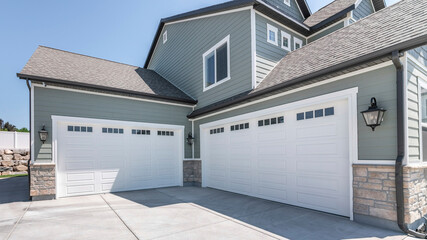
At its core, a garage door serves as a protective barrier. It shields vehicles, tools, and stored belongings from weather exposure, theft, and accidental damage. A properly designed door also helps regulate indoor temperatures, reduces outside noise, and creates a seamless transition between indoor and outdoor spaces. For many properties, the garage door is one of the most frequently used entry points, making durability and smooth operation essential.
Common Types of Garage Doors
Garage doors come in various styles, each offering unique advantages that depend on the space, usage, and aesthetic preferences.
- Sectional Garage Doors
These doors are made of horizontal panels connected by hinges. They move upward along tracks and rest parallel to the ceiling when open. This design is popular due to its space-saving functionality and compatibility with automated systems. - Roll-Up Garage Doors
Roll-up doors consist of narrow slats that coil into a compact roll above the opening. They are often chosen for their durability and minimal ceiling clearance requirements, making them suitable for both residential and commercial settings. - Tilt-Up Garage Doors
Tilt-up doors are made from a single, solid panel that tilts outward before being lifted into the garage. While simple in design, they require more clearance in front of the garage and are often selected for traditional architectural styles. - Side-Hinged Garage Doors
These doors open outward like standard doors and are ideal for garages with limited overhead space. They offer easy access without needing to open the entire door.
Materials and Their Benefits
The material of a garage door directly affects its appearance, strength, and maintenance needs.
- Steel is valued for its strength, resistance to impact, and relatively low maintenance. It works well for modern and traditional designs alike.
- Aluminum offers a lightweight option that resists rust, making it suitable for humid environments.
- Wood delivers a classic and elegant look, often chosen for its natural texture, though it typically requires more upkeep.
- Composite materials combine durability with aesthetic flexibility, mimicking the appearance of wood while offering better resistance to weather and wear.
Insulation and Energy Efficiency
An insulated garage door can significantly improve comfort and efficiency, especially when the garage is attached to living spaces. Insulation helps regulate temperatures, keeping heat out during warm months and retaining warmth during cooler periods. It also reduces noise from outside and from the door’s operation. For homeowners who use their garage as a workspace or storage area, insulation is a practical investment.
Garage Door Safety Features
Modern garage doors are designed with safety in mind. Features such as auto-reverse mechanisms, motion sensors, and reinforced tracks help prevent accidents and injuries. Proper installation and regular maintenance are crucial to ensure these safety features function correctly. Springs, cables, and rollers should be inspected periodically, as worn components can lead to malfunctions or sudden failures.
The Importance of Professional Installation
Even the highest-quality garage door can underperform if not installed correctly. Professional installation ensures proper alignment, balanced springs, and smooth operation. It also reduces the risk of future issues caused by incorrect tension or track placement. A well-installed door operates quietly, opens evenly, and lasts longer with fewer repairs.
Maintenance Tips for Long-Lasting Performance
Routine maintenance helps extend the life of a garage door and keeps it functioning safely. Simple steps can make a significant difference:
- Lubricate moving parts such as hinges, rollers, and tracks to reduce friction
- Check and tighten hardware to prevent loosening over time
- Inspect weather seals to maintain insulation and prevent drafts
- Test safety features to ensure reliable operation
Addressing minor issues early can prevent costly repairs and unexpected breakdowns.
Enhancing Curb Appeal
Because garage doors often occupy a large portion of a building’s façade, their design greatly influences overall appearance. Choosing a door style and color that complements the exterior architecture can dramatically improve curb appeal. Decorative hardware, window inserts, and textured finishes allow property owners to personalize their garage door while maintaining functionality.
When to Replace a Garage Door
Over time, garage doors may show signs of wear that indicate replacement is the better option. Frequent repairs, visible damage, outdated safety features, or poor insulation are common reasons to consider an upgrade. A new garage door can improve security, increase energy efficiency, and refresh the look of a property, often providing a strong return on investment.
Garage doors are more than just functional components; they are essential elements of security, efficiency, and design. By understanding the different types, materials, and features available, property owners can make informed decisions that suit their needs and lifestyle. With proper installation, regular maintenance, and thoughtful design choices, a garage door can deliver reliable performance and lasting value for many years to come.